
Getting your garage door ready for winter in Chiefland means repairing what the humid, storm-heavy months did to it, then tuning it up for the cooler, drier stretch ahead. We don't get hard freezes here, but we do get a hard transition: months of salt air, swelling moisture, and afternoon downpours give way to drier air and bigger daily temperature swings. That shift is exactly when small problems left over from summer turn into stuck doors, broken springs, and noisy openers.
Why Fall Checks Matter More Here Than the Cold Does
In most of the country, winterizing a garage door is about freezing temperatures. In Levy County, it's about reversing months of humidity. Wood and composite panels absorb moisture during the wet season and swell slightly, which can make a door bind in its tracks or rub against the weatherstripping. As the air dries out heading into winter, that wood contracts again, sometimes unevenly if one panel took on more moisture than another. Metal hardware, especially anything near the coast at Fanning Springs or Cross City, has had a whole season to pick up surface rust from salt air. Now is the time to catch it before it spreads to springs and cables.
1. Inspect for Storm Season Wear
Walk the full track system and look for:
- Bent or dented track sections from wind pressure or debris during storms
- Loose mounting brackets where wind-load rated doors have flexed under gusts
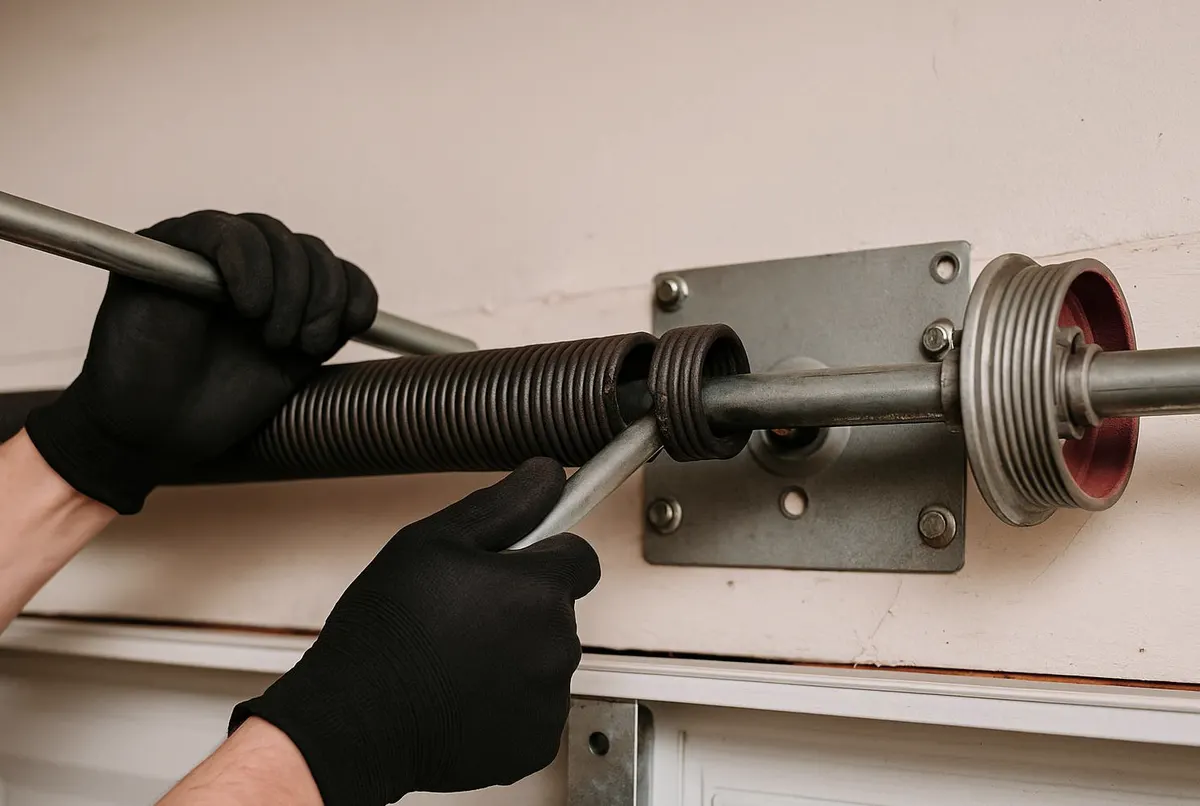
- Rust spots on hinges, rollers, or the torsion spring itself
- Cracked or stretched weatherstripping along the bottom and sides
If your door has reinforced wind-load bracing, confirm the braces are still straight and fully fastened. A brace that's bent or loose doesn't just look bad, it reduces the door's ability to resist the next round of storm gusts.
2. Deal With Rust and Swelling Now, Not in Spring
Surface rust on hinges and rollers can usually be wiped down and treated with a light coating of lubricant, but rust on the spring itself is a different problem. A corroded torsion spring is weaker than it looks and can snap without much warning, often while the door is in motion. If you see flaking rust or pitting on the spring coils, that's a repair call, not a maintenance task. For swollen wood panels, let the door sit through a few drier weeks before forcing any adjustments, then recheck the gap between the door and the frame once things have settled.
3. Lubricate and Re-tighten Hardware
Before the drier months set in, this is the easiest high-value task on the list:
- Lubricate rollers, hinges, and the torsion spring with a garage-door-specific lubricant, not WD-40, which washes off too fast in humidity and attracts grit
- Check and tighten bolts on the track brackets and header plate, since moisture cycles can work hardware loose over months
- Test the chain or belt tension on your opener and adjust if it's sagging
4. Reseal Against Drafts and Pests
As nighttime temperatures drop and humidity falls, gaps in weatherstripping that went unnoticed all summer start letting in cooler drafts, and sometimes the small critters looking for a dry place to nest. Replacing bottom seals and side seals now is a low-cost fix that also keeps afternoon rain from the tail end of storm season from pooling under the door.
5. Test the Opener's Safety Features
Humidity and power fluctuations during storm season can affect opener sensors and circuit boards. Test the auto-reverse function by placing a block of wood in the door's path, and check that the photo-eye sensors near the floor are aligned and free of dust or spiderwebs. If the door reverses randomly or hesitates before closing, that's often an opener issue rather than a track problem.
When to Call Chiefland Garage Door
If you've found rust pitting on a spring, a door that's noticeably off its track, or hardware that's bent from storm-season wind, that's past the DIY stage. Our Garage Door Maintenance & Tune-Up service covers the full inspection list above, including lubrication, hardware torque checks, and balance testing, so you're not guessing whether a part is safe to leave alone. For doors that shifted or jumped the track during a storm, our Off Track Door Repair gets the door realigned and moving smoothly without forcing stressed cables or bent track into place, which can make the problem worse.
If your garage door has been fighting you since hurricane season, don't wait for it to fail on a cool morning. Call Chiefland Garage Door for a fall tune-up or repair, serving Chiefland, Trenton, Williston, Bronson, Fanning Springs, Cross City, Newberry, and Old Town, FL.